Why treating hair fall means looking beneath the surface? |
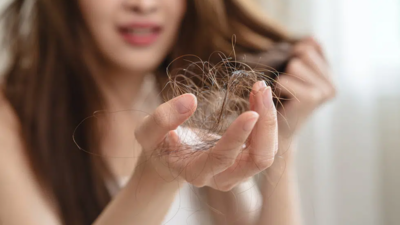

Hair fall is often dismissed as a surface-level problem, something an efficient shampoo or a quick-fix oil can solve. But a science-backed, unique approach proves otherwise. New data reveals that hair loss or hair fall isn’t just about hair; it’s about the body’s inner workings. There is a measurable connection between everyday habits, from how well you sleep to how stressed you are, to the state of your gut and nutrition, and the rate at which you lose or grow hair. In other words, your strands are like health scorecards, reflecting what’s really happening inside. Analysing inputs from over 150,000 men and women across metros and smaller cities, the study uncovers a silent wellness crisis, especially in urban hubs.

(Image Credits: Pinterest)
Poor sleep, for example, emerges as a major red flag: while only 66% of men and 57% of women report getting peaceful rest nationwide, cities like Chennai and Gurugram rank among the lowest in Traya’s sleep index. This isn’t just a lifestyle inconvenience; our experts note that disrupted sleep spikes cortisol (the body’s stress hormone), which directly interferes with the hair growth cycle. And when you layer in high stress levels, nutrient deficiencies, and gut imbalances, the pattern is clear: the roots of hair fall run much deeper than the scalp.Stress, along with other catalysts like sleep, gut health, etc, emerged as the leading driver of hair fall, particularly among women in metros who experience two to three times higher stress-linked hair loss compared to men. Hair fall symptoms often point to underlying causes, such as hormonal imbalances like thyroid issues or PCOS, nutritional deficiencies such as low iron or vitamin D, autoimmune conditions, or genetic predisposition. Hair follicles demand a constant supply of nutrients to remain healthy.

(Image Credits: Instagram)
Protein forms the building blocks of hair, with eggs, fish, legumes, and dairy offering essential keratin. Iron boosts oxygen delivery to follicles, while vitamin D supports their cycling. Omega-3 fatty acids reduce inflammation, and biotin, alongside B vitamins, aids keratin production. Even hydration matters; water keeps follicles functioning optimally.See more: Hair fall: How to reduce losing hair with simple tips and remedies
In other words, hair fall is a symptom of a broader wellness picture. Solutions that focus only on the scalp without addressing stress management, sleep improvement, gut health, nutrition, and hormonal health often fall short. Early diagnosis of conditions like telogen effluvium or androgenetic alopecia can open the door to targeted treatments that improve both hair regrowth and overall well-being.Recognizing this can transform how we approach hair fall, moving from quick fixes to comprehensive care that restores not just hair, but health.Inputs by: Dr. Kalyani Deshmukh, Traya Doctor