Head swells, heart slows, spine elongates:Shubhanshu describes life in the orbit | Lucknow News
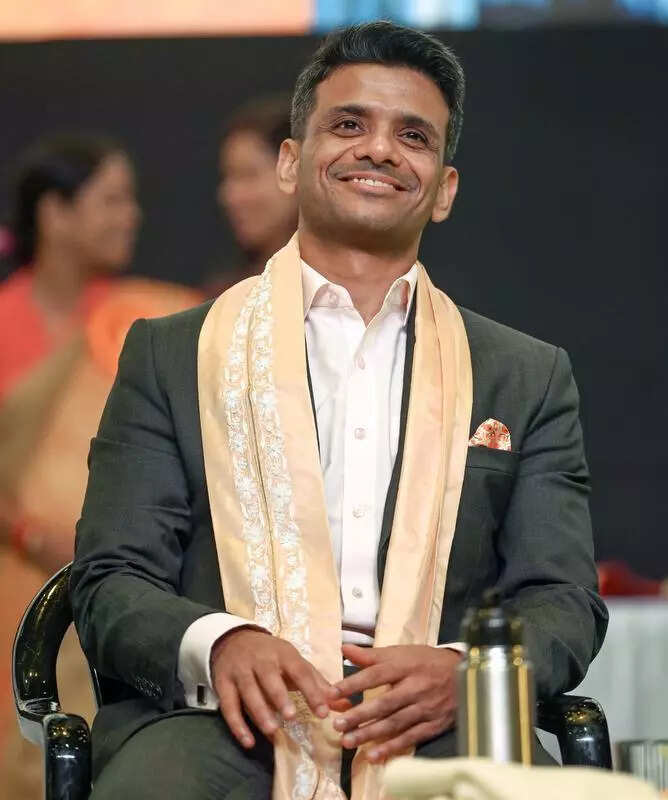
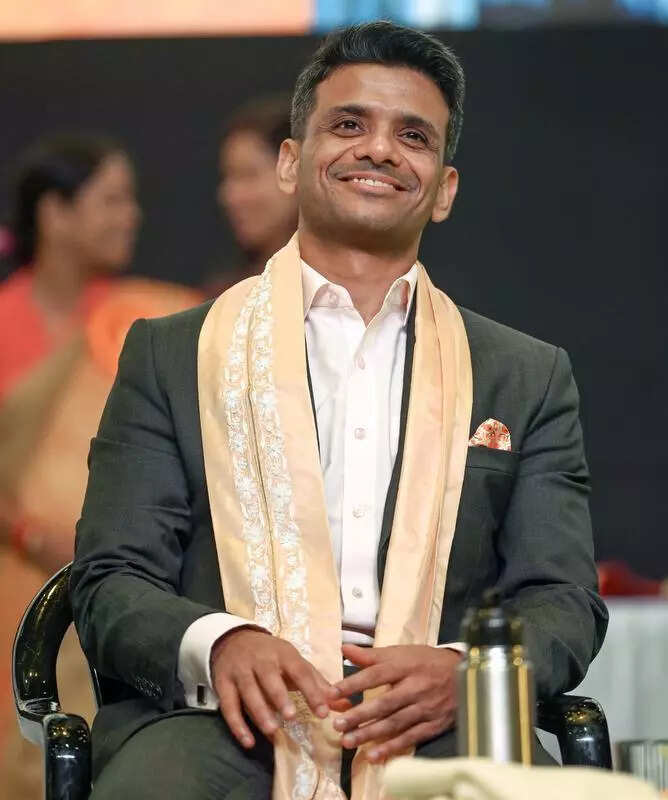
Lucknow: Microgravity reshapes your body. Your head swells, your heart slows, your spine elongates, and you face nausea and headaches. But the science doesn’t wait. You keep working, because responsibility outweighs discomfort.This is how Group Captain Shubhanshu Shukla described the ‘life in the orbit’ as lived by him during the 20-day Axiom 4 mission in June. Shukla was speaking at the convocation ceremony of Dr Abdul Kalam Technical University on Tuesday. “Even when the body is under stress, the work must go on. The samples you carried to space have to be preserved,” he said. On life after the orbit, he said. “The Re-entry was probably the most dramatic chapter of this entire journey. The blue Dragon capsule that has been orbiting the Earth at nearly 400 kilometres at a staggering speed of 28,000 kilometres per hour, is like covering the distance from Lucknow to Delhi in 60 seconds.” As the capsule slams into Earth’s atmosphere, its enormous friction generates about 4,000 degrees Fahrenheit, which is almost as hot as the Sun,” said Shukla. “From the window, we could see the flames dancing in red, orange, green and purple, engulfing the capsule. The only thing separating us from that fire was a thin shield of metal and engineering brilliance. To endure that, you need courage, not the absence of fear. The decision to act,” he said. Reminiscing his own re-entry moments as intimidating, fiery, and uncertain, Shukla said, “When that happens, remember this: courage doesn’t mean that you are not afraid; it means you are afraid and yet you move forward anyway. Fear is natural; paralysis is optional. Step forward bravely, as often just beyond the fear lies the transformation.” “The most important lesson from my space journey is to have fun along the way. Purpose is essential, dreams are essential, and plans are essential, but in chasing all of that, don’t forget to enjoy the process. Don’t let the pressure of what’s next blind you to the joy of what’s now. Even when we were in space, with 11 to 12 hours of work in a day, we were busy doing science, outreach activities, and interactions from orbit,” he said. “Sometimes we used to get extremely tired, but even then, we would find moments to play around, like throwing balls in microgravity into each other’s mouths, hiding inside a bag, or just leaving your laptop and playing with it like a toy, or maybe eating ‘gajar halwa’ with a colleague. These moments may sound small, even silly, but they were powerful. They reminded us that joy is not a distraction from hard work; it is the fuel for it,” said the astronaut. Hails AKTU proposed foray into space sector Hailing the AKTU decision to establish centres of excellence in space across multiple campuses, Shukla said that these centres will not only provide specialised training but also create opportunities for hands-on training and direct industry engagement. He also announced that AKTU will also sign a memorandum of understanding with private space companies to offer internships where students can witness first-hand the cutting-edge technologies that are shaping India’s space journey. How India looks from space “Forty-one-year ago, Wing Commander Rakesh Sharma travelled to space and shared that India looks ‘sare jahan se accha’. When I looked down this time, I saw something more: a nation that is fearless, ambitious, unstoppable, and audacious enough to dream big.” he said.