Fancy, free of frills | Lucknow News
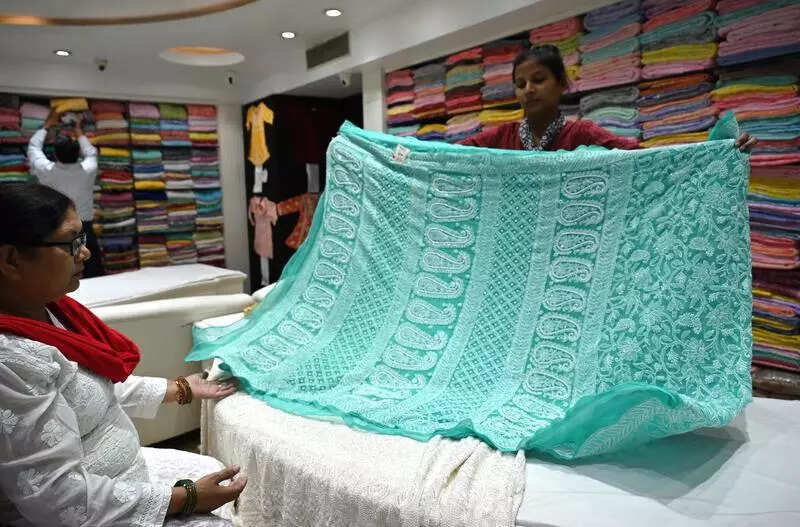
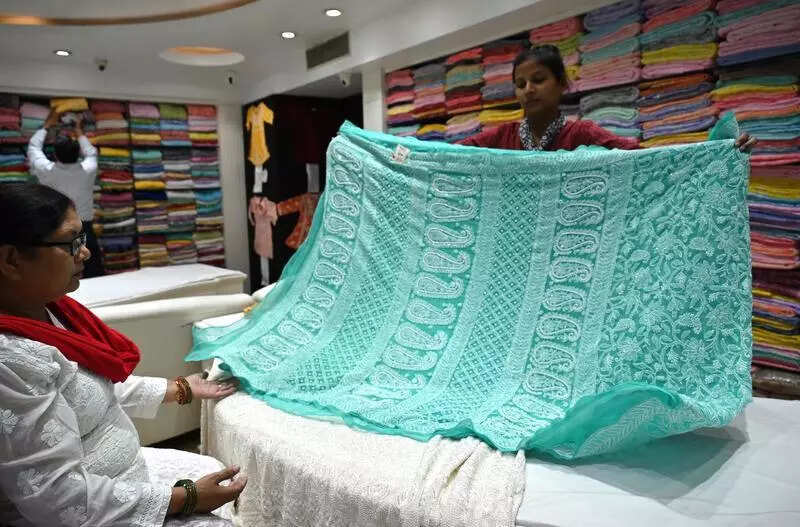
In the signature of UP’s handicraft splashed all over the tradition-driven fashion industry, the subtlest stitch is of chikankari, which is present widely but blends in only as delicately as its patterns. Raking in Rs 2,800 crore in the 2024-25 financial year, the handicraft has made steady strides, but never fought too hard for space.“In spite of its acceptance nationwide and up to a sizeable extent worldwide, chikankari has maintained its muted poise probably because its delicate design, pattern and work don’t blind the eye or make a photographic statement,” says Bina Tripathi, a National Institute of Fashion Technology passout, adding, “In this day and age of reels and social media posts, chikankari is more admired for its exquisite grace than noticed in pictures.“Mohammad Shariq, whose platform, Rumi chikan, caught browsers’ attention instantly, says, the art has remained a silent charmer. The classic chikan being embroidery with white thread on a white fabric and patterns like murri, tepchi, phanda, hool and zanjeera have for long taken a bow for the sheer artistry, so it was a departure from tradition when the embroidery began to embellish coloured and then, even printed fabric. Next came fusion with other handicraft forms like zari, zardozi and Banarasi weaves. Artisans, to whom the craft has been passed down generations and over centuries, are from Barabanki, Rae Bareli, Sitapur, Hardoi, Unnao and even from not-so-close-to-Lucknow, Lakhimpur Kheri, Sultanpur and Amethi.Online entrepreneur Zainab details the trade in figures, saying, “Though it comprises only about 12 per cent of the total sale, online sale figures have grown. Of this, about 60% is raked in by direct-to-customer channels, while e-commerce giants take the remaining 40 per cent share of online sales. The presence of chikan garments is ubiquitous. Be it Chandini Chowk, Lajpat Nagar and Sarojini Nagar markets in Delhi, or the Colaba, Bandra bazaars in Mumbai, shops retailing chikan are doing brisk business in Hyderabad, Jaipur, Kolkata, Bengaluru, Pune and a host of other cities across the nation.“But retail shops and online trade are co-existing with absolutely no conflict of interests, as customers have their own reason for choosing where or whom to buy from. The online trend found its beginnings in the Covid-induced lockdown but it stayed much later, growing from strength to strength. Smart big-town players took control of the trade, working out practical, feasible and fruitful logistics and besides making huge profits have done major service to the growth of the industry.“Unlike Banarasi embroidery and several other handicraft, chikan never found a custodian brand, hence, it has remained away from hype and hoopla,” says Ali Raik, associated with a govt recognised export house.Small-time entrepreneurs in the city, including housewives, meanwhile, have created a well-oiled network, though there is no way anybody can quantify their revenue and they are tight-lipped about it too. They are well stocked with ample variety and are flourishing on the strength of efficient courier support. Customers could be from anywhere in the country and some from even abroad.Among connoisseurs, chikankari never needed introduction across the northern and eastern region, with chikan sarees and kurtas, especially the Bengali kurta with a lapel on the right side finding as many takers in Bengal as in and around Lucknow. Yesteryear Mumbai films with Lakhnavi backdrop enrobed stars in chikan-embroidered attires which impressed all but were noticed mostly by the discerning because of the subtle design.In the 1990s, high profile designers who had achieved glory on the global ramp struck gold when they brought their uniquely tailored clothes to Lucknow for embroidery by the chikan karigars. But even as the success story was growing, they were in for a rude shock when they found their precious designs flooding the local market, much before their debut with fanfare in high profile fashion shows. Wiser by experience, the cash-flushed designers set up their own workshops in which all embroidery was done in fortress-like confines, lest the design leaked.“Chikan work can mesmerise with its beauty but doesn’t have the quality to dazzle, hence, high profile couturiers have gone slow on play of this Lakhnavi craft,” says Zafar Siddiqui, an exporter of clothing and upholstery. “Another reason is that it is a painstaking craft and a single kurta may take the artisan 15 to 20 days to complete, so, it is now only once in a while that they decide to throw in chikan art as they plan their next line of clothing,” he adds.On the flip side, duplication is marring standards, if not as much the profits. China, the omnipotent, has thrown up imitations that are cheaper and hard for the eyes of the uninitiated to detect. Machine-made and spurious chikan, produced faster and cheaper in Surat and Jaipur, is flying off the shelf.Try hiring a cycle rickshaw or auto from Hazratganj or Charbagh and instead of agreeing to take you to your destination, the puller/driver will coerce you to first visit a chikan shop. “Shops lined up in the vicinity are convenient for visitors or stopover travelers to visit and they are stocked with cheap imitations. These shopkeepers give commissions as high as 40% to rickshaw wallahs for bringing them customers. This practice will eventually bring bad name to chikankari and make quality and standard deteriorate,” says Nadeem, salesman in an Aminabad shop.