Agra-based lab powers Gaganyaan’s parachute success in aerial drop test | Lucknow News
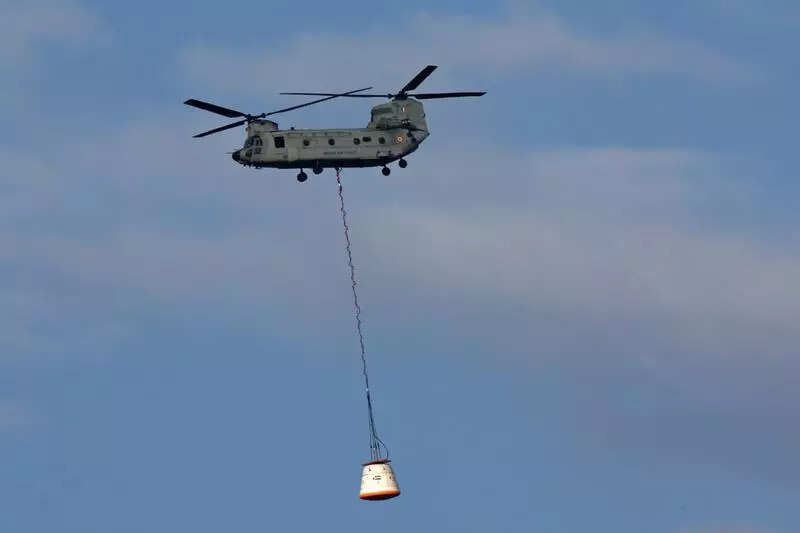
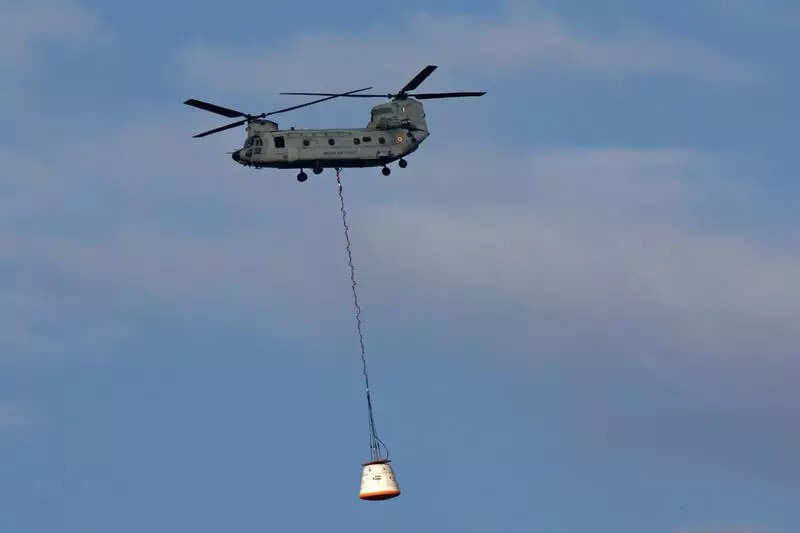
Lucknow: The Aerial Delivery Research & Development Establishment (ADRDE), an Agra-based DRDO laboratory, achieved a significant milestone in India’s Gaganyaan mission with the successful Integrated Aerial Drop Test (IADT-01) at Satish Dhawan Space Centre, Sriharikota, on Sunday.This test validated the parachute-based deceleration system critical for the country’s first human spaceflight program. “A 4.8-ton dummy crew module was air-dropped from a Chinook helicopter at 3 km altitude, 30 km offshore. All 10 integrated Gaganyaan parachutes, developed by ADRDE, deployed flawlessly, achieving key objectives: verifying apex cover separation, pyro mechanisms, onboard logic, parachute performance, and crew module dynamics,” read the statement issued by ADRDE. Notably, the test extended the packed life of parachutes from six months to over a year, as 20-month-packed parachutes performed impeccably. The project was led by Swadesh Kumar. ADRDE’s recovery parachute system is designed to ensure safe deceleration of the crew module post-reentry, slowing it to a safe splashdown speed after heat shields and drogue parachutes. The IADT-01 test simulated real-world conditions, with the module descending through a precise parachute deployment sequence. This success marks a critical step in validating crew escape mechanisms and ground recovery operations for Gaganyaan. The test’s triumph paves the way for subsequent trials, including TV-D2 and the G1 mission, to further ensure astronaut safety during ascent, descent, and splashdown phases—the mission’s riskiest segments. ISRO chairman congratulated the ADRDE team for their instrumental role in this achievement, highlighting their expertise in parachute system development.