Lucknow: Land of cultural confluence | Lucknow News
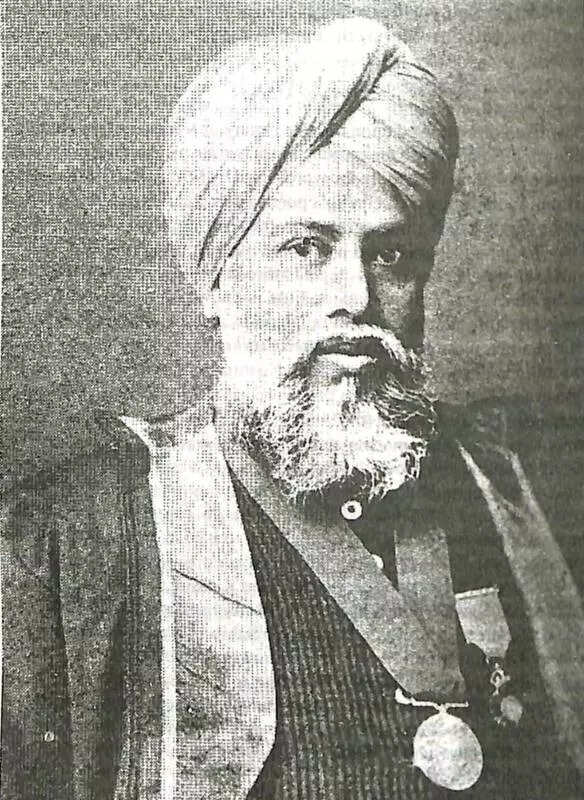

Lucknow’s multicultural fabric owes much to communities like Kashmiris, Parsis, Maharashtrians, Gujaratis, Kanyakubj Brahmins and Kayasthas, who settled here after it became a capital city in 1775 and became a part of the cultural voyage of the city.Drawn by opportunities in administration, trade, scholarship and culture, these groups became integral to the identity of Lucknow.From the Sharga family of Kashmiris to Gujarati traders, Marathi professionals, and Parsi pioneers like Nawrojee Damkawala, each community contributed uniquely. Kanyakubj Brahmins upheld spiritual traditions while Kayasthas shaped administration and literature.Over generations, these communities blended into Lucknow’s ethos, preserving heritage while embracing change, leaving a lasting imprint on the city’s cultural and historical landscape.KASHMIRISThe Kashmiri community’s presence in the city dates back to 1775, during the reign of Nawab Asaf-ud-Daula. Drawn by opportunities in his court, many Kashmiris, well-versed in Persian, the official language of the court, secured prestigious administrative and cultural roles.According to Ravi Kachru, secretary of Panun Kashmir, one of the earliest Kashmiri families to settle in the city was the Sharga family, which made Rani Katra area of Chowk their home.“Their arrival marked the beginning of a deep-rooted cultural connection between Kashmir and Awadh,” says Kachru.Over time, the Kashmiri community became an integral part of Lucknow’s socio-cultural fabric.Jyoti Kaul, president of the Kashmir Association, says: “Many Kashmiri families served in the royal court and held respectable positions, but over the time, they gradually gave up their native language, assimilating linguistically and culturally into the Awadhi milieu. Despite this, their legacy remains embedded in the city’s rich historical tapestry.”Prominent PersonalitiesPt Kalicharan Sharga: Historian and educationistJustice Girish Chandra Sharga: Judge, Allahabad high courtProf Triloki Nath Kaul: Diplomat & international affairs scholarAnand Narain Mulla: Poet, lawyer & judge of Allahabad high court, MP from LucknowPushpa Kaul: Pioneer in women’s education in mid-20th centuryTN Kaul: Education administrator and language reformerML Sharga: Cultural historian of Kashmiri heritage in AwadhRam Krishan Kaul: Poet and translator during colonial periodPARSISThe Parsi community in Lucknow, though small in number, holds a significant place in the city’s history.Nawrojee Damkawala is believed to be the first Parsi to come to Lucknow between 1837 and 1842 during the reign of King Mohammad Ali Shah, trading silk and pearls from China with the Nawabs. Originally from a family of Mansabdars in Gujarat, Damkawala was so captivated by Lucknow’s culture that he encouraged other Parsis to settle here. His son, Heerji Bhoi Nawrojee, later started the business of making horse-drawn carriages.“Our community never had a Tower of Silence in Lucknow due to our small numbers. Instead, we adopted burial, and the land gifted to my great-great-grandfather by the government was later given to Parsi Anjuman for cemetery use,” said Zarine Viccajee, Damkawala’s great-great-granddaughter.Today, around 45 Parsis remain in Lucknow, primarily celebrating festivals like Navroz and Khordad Saal while continuing to cherish their heritage.Prominent Personalities:Nawrojee Damkawala: First Parsi settler in Lucknow, silk and pearl traderHeerji Bhoi Nawrojee: Carriage manufacturer and businessmanBehram Viccajee: Civic leader and community elderKhurshedji Engineer: Contractor involved in Lucknow’s infrastructure projectsDr Firoze Patel: Physician, active from the 1940s to 1970sRustom Daji: Trade intermediary during British Raj in LucknowMARATHISThe Maharashtrian community in Lucknow, now with a population of around 5,000, traces its roots to the early 19th century following the exile of Bajirao II to Bithoor after the Third Anglo-Maratha War in 1818. Many joined royal courts across Uttar Pradesh. A second wave arrived in the early 20th century, including Dr Laxman Gangadhar Natu, who came to Lucknow for medical practice and his passion for music.“My great-grandfather believed Lucknow offered the perfect blend of culture and opportunity,” said Anant Jayant Natu.With the establishment of Maharashtra Samaj in 1921, the community found a cultural anchor. Over the decades, many Maharashtrians became a part of premier institutions like CDRI, RDSO, IIM, HAL, CIMAP and NBRI.“In 1971, my father Ankush Gadge encouraged people from Sangli and Satara to settle and start businesses in Lucknow. The community mainly resides in Aminabad, Gomtinagar, Indiranagar and Chowk,” says Marathi Samaj president Umesh Patil.Prominent PersonalitiesDr LG Natu: Physician and classical music patronPt Ramchandra Vaman Paranjpe: Sanskrit scholar and educatorAnkush Gadge: Entrepreneur and community mobiliserRG Gokhale: Educationist at La Martiniere College in British eraAnant Govind Kelkar: Theatre writer and Marathi cultural activistShrikrishna Deshpande: Indian Railways officer stationed in Lucknow (around 1950–70)Kashinath Apte: Prominent in establishing Maharashtra Samaj in 1921Savitri Kelkar: One of the first Maharashtrian women teachers in LucknowMadhav Natu: Tabla artist and classical music promoterGUJARATISThe Gujarati community’s roots in Lucknow go back to the Nawabi era, particularly the reign of Nawab Asaf-ud-Daula in the late 18th century. Drawn by trade opportunities, especially in textiles, gems and banking, many Gujaratis arrived from cities like Surat, Ahmedabad and Bhavnagar. They became trusted merchants and financiers to the royal court.“Our ancestors were invited by the Nawabs for their business acumen and integrity. They supplied fine fabrics, managed accounts and even advised on trade,” says Beena Shah, a senior member of the Gujarati Community in Lucknow.Early settlers primarily lived in trading hubs like Nazirabad, Aminabad and parts of Chowk, where they built businesses that lasted generations. Some were also patrons of temples and dharamshalas.“Even in those days, our community contributed to the cultural life of Lucknow through religious festivals and charity,” adds Shah.Today, although smaller in number, the community remains active, celebrating Navratri, Uttarayan and Janmashtami with traditional fervor.Prominent PersonalitiesMotilal Shah: Textile merchant and early settler in AminabadGirdhar Lal Doshi: Banker and advisor to princely estatesAmrit Lal Nagar: Hindi authorChimanlal Mehta: Diamond and gem trader with roots in SuratRanchhodbhai Patel: Social reformer and temple donorManilal Shah: Publisher of religious literature in the 1920sHaribhai Vora: Jeweller and community benefactorMafatlal Bhatt: Ayurveda promoter and religious speakerKantilal Modi: Hosted Gujarati plays and drama festivals from 1950-70KANYAKUBJ BRAHMINSKanyakubj Brahmins, traditionally rooted in Kannauj and neighbouring regions, arrived in Lucknow during the Nawabi era, particularly under Nawab Asaf-ud-Daula’s reign. Renowned for their deep command over Sanskrit, Vedic rituals and astrology, they were invited to perform religious ceremonies and serve as spiritual advisors to both the royal court and influential local families.“Our forefathers were called to uphold dharma in a court that, though Islamic, deeply respected Hindu scholarship,” said Pt Vinod Mishra, a senior priest in Chowk.Many Kanyakubj families went on to establish ‘tols’ (Sanskrit schools) and were instrumental in temple construction across Chowk, Bans Mandi and Aminabad. Their influence ensured the survival and practice of Sanatan traditions in a multicultural court.“They were custodians of ritual knowledge and also acted as teachers and astrologers to powerful Awadhi households,” says Lakshman Bihari Tiwari, a retired Sanskrit professor.Today, Kanyakubj Brahmins continue to serve as priests, educators and scholars in the city.Institutions like KKC (presently known as JNMPG College) still see strong representation from this community in teaching roles and academic leadership, carrying forward a legacy of over 200 years. Their quiet resilience and scholarly dedication remain integral to Lucknow’s spiritual and intellectual identity.Prominent PersonalitiesRaisahib Pt Jai Narain Misra: Founder of JNMPG CollegePt Ganga Prasad Shukla: Vedic scholar and Sanskrit teacherKrishnanand Mishra: Sanskrit professor and educationistShrilal Shukla: Hindi writer and government officerPt Hari Narain Misra: Educationist and Sanskrit tola patronDr Kamla Kant Mishra: Philosopher and contributor to Varanasi and Lucknow scholarly circuitsPt Ram Shankar Shukla: Publisher of religious tracts and almanacsKAYASTHASThe Kayastha community has long been a cornerstone of Lucknow’s administrative and cultural life, with their prominence tracing back to the Nawabi era. Fluent in Persian, the court language, they served as scribes, accountants, ministers and custodians of record in the Nawabi bureaucracy.“Our ancestors were the backbone of the Nawabi administration. They kept records, managed finances and handled correspondence at the highest levels,” says Anup Srivastava, a senior member of the Kayastha community in Lucknow.Settling in key areas like Lalbagh, Aminabad and Hazratganj, Kayasthas became a vital part of the city’s rising intelligentsia. Beyond their official duties, they were connoisseurs of literature and etiquette.“Mehfils, mushairas and soirees were often hosted in Kayastha homes,” recalls Meenakshi Mathur, a member of the community.With the advent of British rule, Kayasthas gracefully transitioned into modern professions such as law, education and civil service.Adding a historical perspective, Naval Kant Sinha, author of ‘The Unsung Hindu King: Tikait Rai’, says: “Tikait Rai was not only one of the most powerful Hindu ministers in the Nawabi court but also a cultural innovator. His wife is credited with introducing refined vegetarian cuisine to Lucknow’s royal kitchens, dishes like kebabs of kathal, baigan ka bharta and shabdeg-style yam curries. This ‘zaika-e-shakahari’ became a quiet counterpoint to the city’s famed meat delicacies.“Even today, Kayasthas remain deeply involved in the spheres of politics, education, literature and governance.Prominent PersonalitiesRaja Tikait Rai Bahadur: Minister in the Nawabi court of AwadhMunshi Nawal Kishore: Renowned publisher and intellectualJustice Vishwanath Prasad Srivastava: Eminent judge and education reformerHarish Chandra Srivastava: Hindi author and literary criticGC Srivastava: Educationist and ex-director of UP higher educationPrem Narayan Saxena: British-era civil servant and Hindi short story writerBrij Mohan Mathur: Urdu essayist and administratorTorch-bearers of DiversityLike the nawabi era, the influx of various communities continued in the colonial age which built on the foundation of the syncretic culture laid by the communities that settled in Awadh of the nawabs.BENGALIThe Bengalis first arrived in Lucknow during Nawab Nasir-ud-din-Haider Shah’s reign (1827–37) when scholars like Kalicharan Chattopadhyaya and Madhav Das came to oversee the Tara Wali Kothi observatory. They introduced Durga Puja and Kali Puja, which later became iconic traditions. Institutions like Bangiyo Yuvak Samiti (1892) and Bengali Club (1901) became cultural pillars, with Atul Krishna Sinha gifting land in 1914. Today, 2.5 lakh Bengalis live in Model House and Ravindrapalli, celebrating Durga Puja, Saraswati Puja, and Poila BoishakhProminent personalities include AP Sen & Radha Kumud Mukhopadhyay (educationists), Asit Kumar Haldar (artist), Pahadi Sanyal (actor), Habul Da, PC Banerjee and GN Banerjee (hockey).SIKHLucknow’s Sikh community, rooted in the Ramgadiya Biradari, is known for carpentry and railway wagon-making. Singar Singh, a pioneer, gave his name to Singarnagar. During Partition, many Sikhs, like Kartar Singh Akali and Khadak Singh Akali, arrived as refugees, rebuilding their lives and contributing to the freedom struggle. Today, around 80,000 Sikhs live in Charbagh, Alambagh, Rajendranagar, and Guru Nanaknagar, observing Baisakhi, Guru Nanak Jayanti, and Gurpurabs with devotion. Their resilience stories echo through generations.Prominent people include Trilochan Singh Chan, Narendra Singh Gulshan, Diwanaji, and actor Amarjeet Singh.ODIAOdias first came to Lucknow in 1946, led by plumbers like Raj Kishore Khuntia. Sculptor Padmashri Shridhar Mahapatra, associated with Shanti Niketan, later joined as professor at Lucknow University, anchoring the community. With about 10,000 members, Odias mainly live in Indiranagar, Gomtinagar, Rajajipuram, and Alambagh.ANGLO INDIANThe Anglo-Indian community grew during colonial times, when British officers settled with Indian families. Their schools such as La Martiniere, Loreto Convent, and St Francis, remain landmarks of excellence. Today, about 2,000 people of the community live in Lawrence Terrace and Trans-Gomti, celebrating Christmas and Easter under the Anglo-Indian Association (est. 1943).Prominent people include Vir Chakra heroes Trevor and Denzil Keelor, educationist Peter Fanthome, civil servant Terrence Barker, musician George Figg, and Dorothy Crosswaite, trustee of UP’s only Anglo-Indian old-age home.MALAYALIKeralites began migrating in the 1950s for education, medicine, and jobs. Kerala Samajam, formed in 1957, became their cultural hub, with its first meeting at Krishna Café, Hazratganj, led by Sanskrit scholar Prof. Subramanian Iyer. Today, the community thrives in Gomtinagar, celebrating Onam, Christmas, and Kala Mela, while building schools and temples like Lord Ayyappa Mandir. Nearly 5,000 Malayalis call Lucknow home.SINDHIThe Sindhi community’s modern story began with Partition, when many fled Sindh with nothing but courage. Refugees like Satish Athwani rebuilt lives by selling ice balls and soaps, while pioneers like Seth Motiram had already set up businesses such as Indira Tiles, helping newcomers with food and education. The Lucknow Sindhu Samaj (1955) became their anchor. Today, 60,000 Sindhis live in the cityUTTARAKHANDIMigrants from hills began arriving in 1948 for jobs and studies, forming Kumaon Parishad to support them. Later merged into Uttarakhand Mahaparishad (2014), the organization became the community’s voice. With 4.5 lakh people, it is one of Lucknow’s largest migrant groups. They celebrate Harela Bakhai, Uttarakhand Mahotsav, and Ramlila, keeping mountain traditions alive.Prominent faces include bureaucrat BD Sanwal, theatre icons Urmil Kumar Thapliyal and Lalit Singh Pokhariya, and scholar Prof MD Joshi