Why do termites (deemak) keep coming back to your home: Effective permanent solutions for the problem
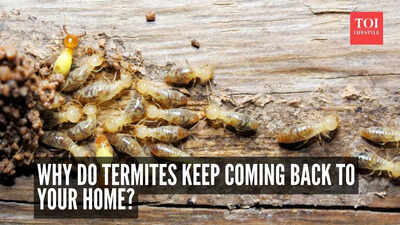

In recent months, conversations around home maintenance have taken a sharp turn. Whether it’s new apartment buyers or families living in older houses, more people are reporting the same frustrating pattern– repeated termite infestations. Despite spending on services and repairs, many are seeing termites return, sometimes within months. This has sparked an important question: Are we missing something about how termites actually behave and how their treatments work?Across Indian households, this issue has become more than just a seasonal problem. With rising costs of wooden furniture, home interiors, and structural repairs, termites are no longer seen as minor pests. They are now recognised as one of the most persistent threats to residential spaces. And the more homeowners share their experiences, the louder the demand becomes for clear, honest, and reliable information.Why do termites keep coming back?Many families assume that if termites reappear, the treatment must have failed. But with termites, the reality is more complex.

1. The main colony often survives undergroundMost termite activity you see is only the surface. The main colony stays hidden deep in the soil. Unless the treatment reaches that core, termites eventually return.2. Incomplete chemical application weakens the resultIf the chemical barrier is not applied evenly or if any area is missed, termites find their way back over time.3. Unfixed entry points invite them againMoist corners, cracks along walls, and wood touching soil create a permanent pathway for termites to slip back in.4. One-time service isn’t enoughA single treatment rarely addresses long-term termite behaviour. These pests need ongoing monitoring, not one visit.5. DIY solutions only target visible termitesHomemade mixtures, surface sprays, and instant fixes remove only the visible insects. The colony remains untouched.What actually attracts termites to your homeUnderstanding this helps reduce repeat infestations.They feed on cellulose: Anything made of wood, cardboard, or paper becomes a potential food source.

Moisture helps them survive: Leaks, poor ventilation, or damp walls create the perfect breeding ground.They spread through reproduction: As their colonies grow, reproductive termites leave to form new nests.Warm and humid spaces support them: Even though they exist in various climates, warm conditions increase their activity.Common household habits that invite termitesThese are everyday situations that homeowners rarely connect to termite activity:Storing wooden items close to exterior wallsAllowing mulch or dense plants to remain near the foundationIgnoring gutter cleaningLetting outdoor wooden structures age without treatmentThese overlooked habits often become long-term termite attractors.Structural risks that increase termite problemsA home’s physical design can unintentionally support termite movement.Cracks in floors, tiles, or foundationsWooden parts touching the soil directlyMoist basements or crawl spaces

Weak or ageing wooden sectionsEven small vulnerabilities can lead to large infestations if not addressed.Simple preventive steps to reduce termite riskThese habits help keep termites away:Fix the leakage promptlyImprove ventilation in closed spacesMaintain some distance between the soil and the woodClean gutters routinelySchedule annual inspectionsEarly signs of termites you should never ignoreSpotting these signs early can prevent bigger damage:Hollow or weakened woodBubbled or cracked paintMud-like tubes on wallsDroppings resembling fine dustFallen wings near windowsWhat to do when you spot termitesDo not disturb the colonyCall a professional service quicklyChoose a treatment that targets both visible and hidden areasThe complete guide to every termite treatment methodLiquid soil treatment (Termite barrier around the house)This involves digging around the structure and filling the trench with chemical-treated soil. When the soil is replaced, it acts as a long-lasting protective layer.Why people choose itStrong and durableRequires minimal follow-upRecommended for houses prone to heavy infestationsLimitationsLabour-intensive; digging is requiredHigher upfront costTermite baiting system (Slow acting, colony-targeted approach)Baits are placed strategically around the property. Termites eat the bait and unknowingly carry it back to their colony.Why it worksLess intrusiveSafer for the surroundingsGood for long-term managementLimitationsWorks slowlyNeeds constant monitoring

Fumigation treatment (Whole-structure has treatment)The structure is covered, and gas is released to eliminate termites inside.StrengthsReaches areas other treatments may missEffective for advanced infestationsLimitationsNo long-term protectionRequires occupants to leaveExpensiveNot suited for eco-conscious homeownersWood treatment (Protecting wood before and after infestation)A termite-resistant solution is applied directly to wooden surfaces.UsesPreventive during constructionSpot-treatment for furnitureCost-effective optionLimitationsOnly protects the applied areasNot a standalone solution for major infestationsMicrowave treatment (Heat-based localised termite control)Heat-producing devices target specific termite-affected spots.AdvantagesQuickChemical-freeLimitationsOnly works in selected areasUsually used with other treatmentsThe only way to maintain a termite-free homeTermites return because their colonies survive below the surface, and the environment inside or around the home still favours their growth. Long-term control requires a combination of:The right treatment methodConsistent inspectionsMoisture controlStructural maintenanceThe goal is not just to kill the termites you can see, but to stop the whole cycle that makes them come back again.When a homeowner clearly understands why termites return and what each treatment actually does, they can finally stop the problem from happening again and again.Images: Canva (for representative purposes only)