Kashi’s Precious GIfts To The World | Lucknow News
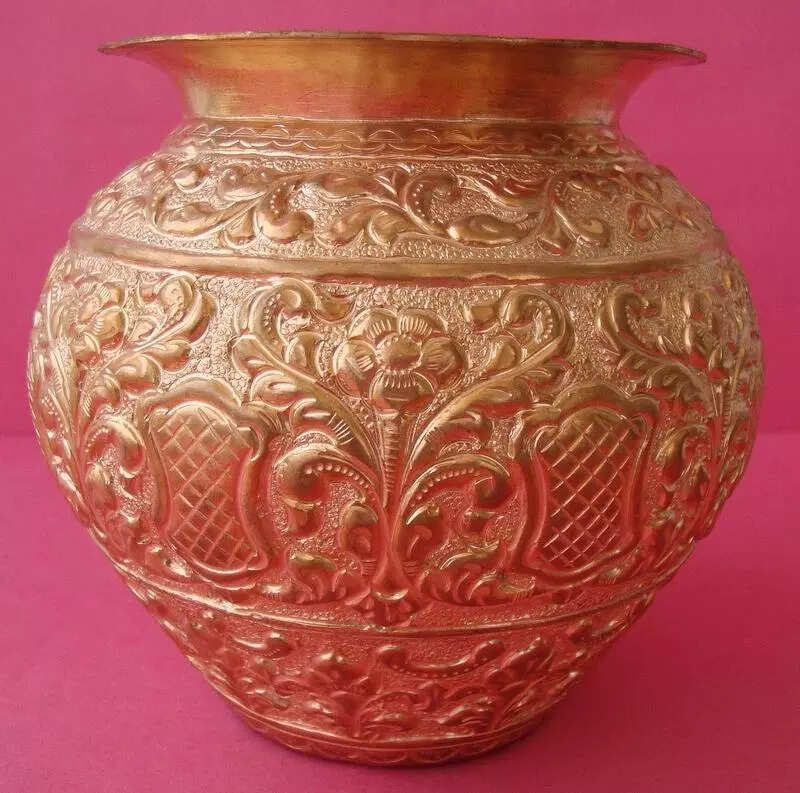
Varanasi has solidified its reputation as a pivotal centre for Geographical Indication -tagged products, significantly enhancing the local economy and safeguarding traditional crafts.Historically known for its rich cultural heritage, Varanasi and adjoining districts now stand as a major player in India’s GI landscape, with an impressive portfolio of 32 registered GI tags encompassing textiles, handicrafts, and food products.Among the notable GI-tagged items from Varanasi are the famous Banarasi paan, langda mango, thandai, shehnai, and tabla.These products are celebrated for their unique qualities intrinsically linked to the region, covering a diverse range of crafts, food, and agricultural products such as metal crafts, wooden toys, and special ingredients.The GI tags not only protect these traditional items but also enhance their brand value, enabling local artisans and farmers to achieve better prices and access international markets.Recognising the potential of Kashi’s unique products, the central govt has been instrumental in facilitating the registration and promotion of various GI items.Kashi and its adjoining districts boast of 32 registered GI tags, including 21 goods exclusively from Varanasi.The iconic Kashi silk sarees are known for intricate designs and superior quality, while Banarasi paan is celebrated nationwide. Local artisans have benefited immensely from GI certification, which has authenticated their craftsmanship and opened new markets for their products.“GI tag has not only authenticated the local craftsmanship but also opened new markets for products. The local artisans have seen a 30% increase in sales since obtaining the certification,” said Padma Shri awardee Rajni Kant, often termed as the ‘GI Man of India’. This surge in demand has led to improved livelihoods for many families engaged in traditional crafts, fostering sustainable economic growth within the region.Chief Minister Yogi Adityanath emphasised the significance of GI goods in his recent address at the Kashi Development Forum. “Supporting GI products is crucial for preserving our cultural heritage and ensuring sustainable economic growth. Kashi’s emergence as a GI hub is a testament to our commitment,” he remarked.His statement underscores the govt’s dedication to promoting GI-tagged products as a means to both preserve cultural heritage and drive economic development.Economic analysts have observed that the GI movement in Kashi has resulted in an estimated increase of Rs 50 crore in the local economy over the past year. This growth is attributed to both domestic and international demand for authentic Kashi products.Additionally, tourism has experienced a positive impact, with visitors purchasing GI-certified goods as souvenirs, thereby stimulating economic activity in the region.Kashi’s transformation into a hub of GI goods represents a harmonious blend of tradition and modernity. By leveraging its rich cultural heritage and implementing strategic govt policies, Kashi has successfully transformed its traditional industries into thriving economic sectors. This model not only safeguards artisanal craftsmanship but also contributes significantly to the region’s economic development.In a notable initiative to honour Prime Minister Narendra Modi on his 75th birthday on Sept 17, Rajni Kant filed applications for GI tags for 75 goods.“We resolved a year ago that we would present 75 new products as a bunch of gifts for his 75th birthday, representing India’s heritage. Starting on Sept 17, 2024, this resolution was fulfilled on Sept 17, 2025, with the submission of an application for Gujarat’s Sompura Stone Craft as the 75th GI craft. Sompura stone craft is known for skilled stone carving and mastery of traditional Indian temple architecture,” he said.Rajni Kant is credited with facilitating over 150 products from 21 states and union territories across the country to obtain GI tags. As the general secretary of Human Welfare Association (HWA) based in Varanasi, he has been a staunch promoter of GI products in India.His efforts in obtaining GI registrations for traditional crafts and products have provided legal protection for indigenous knowledge, enhanced the market value of local crafts, and created sustainable livelihoods for artisans.He actively promotes the significance of GI tagging and intellectual property rights through workshops, public forums, and engagements with organisations such as the National Institute of Fashion Technology (NIFT).Varanasi boasts of 21 GI-certified goods, including Banaras brocades & sarees, Gulabi Meenakari, metal repousee craft, wooden lacquerware & toys, soft stone jaali work, glass beads, zardozi, wood carving, hand block print, langda aam (mango), Ram Nagar bhanta (brinjal), paan (betel leaf), tabla, lal bharwa mirch (red pickel chilli), Chiraigaon karonda, lal peda (sweet), metal casting craft, shehnai, tirangi barfi, thandai, and mural painting.Additionally, there are 11 GI products from other districts, including handmade carpet (Bhadohi), handmade durries (Mirzapur), wall hanging (Ghazipur), balua patthar (Chunar), glazed pottery (Chunar), brass utensil (Mirzapur), aonla (Pratapgarh), Adamchini rice, black pottery (Nizamabad), moonj craft, and imarti (Jaunpur).The comprehensive list of 32 GI registered products from Varanasi and nearby districts underscores the region’s diverse and rich cultural heritage.These products not only highlight the skilled craftsmanship of local artisans but also serve as a testament to the successful collaboration between the govt and local communities in promoting and preserving traditional crafts.The GI movement in Varanasi has set a benchmark for other regions, demonstrating how strategic initiatives and robust support systems can lead to significant economic and cultural benefits.As Kashi continues to flourish as a GI hub, it paves the way for other regions to explore and harness the potential of their unique cultural assets, ensuring that traditional crafts and products continue to thrive in the modern economy.