Unsupervised use of supplements causing sexual, mental health issues among youth | Lucknow News
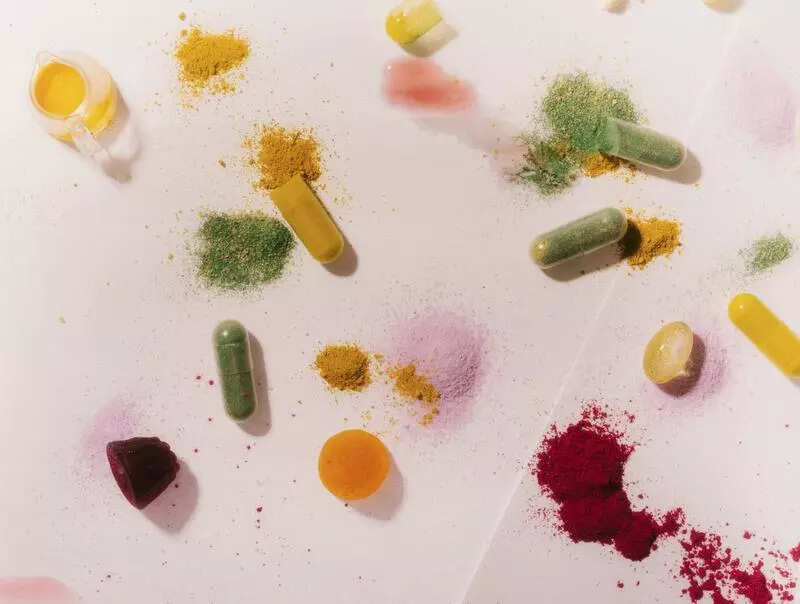
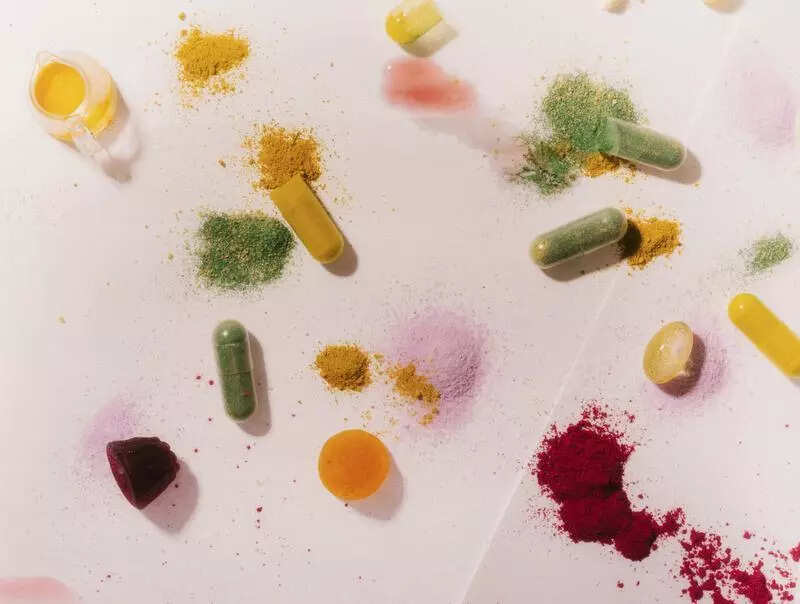
Lucknow: A 27-year-old IT professional from Gomtinagar recently visited KGMU’s psycho-sexual clinic, complaining of low libido and mood changes. Blood tests showed elevated oestrogen (estradiol) levels and a disturbed testosterone-to-oestrogen ratio, suggesting overactive aromatisation (conversion of testosterone to oestrogen).Doctors observed that he was using large amounts of protein powders, mass gainers, creatine, and testosterone-boosting supplements — possibly including agents with hormonal effects rather than just nutritional ones. “The patient is under treatment for sexual dysfunction,” said Prof Adarsh Tripathi, Psychosexual Clinic Incharge at KGMU.According to clinic records, over the past months, five to six men under 30 presenting with similar issues have sought help every month, often from higher socioeconomic groups with an intense focus on muscular appearance. This trend was discussed by experts with TOI on the eve of World Mental Health Day.Specialists warn of a growing phenomenon among young men: excessive gym culture, body image pressure, and unsupervised supplement use or hormonal manipulation. They observe that stress, social media reinforcement of ideal bodies, and the drive for fast gains may foster reliance on supplements or unverified hormonal products, which can disturb endocrine balance and contribute to sexual health problems in susceptible individuals.“Many gym-goers consume so-called testosterone boosters or unregulated hormonal supplements in unsafe dosages without medical supervision,” noted Prof Gupta. “In certain cases, this can suppress the body’s natural hormone regulation and elevate oestrogen levels, leading to libido issues, erectile dysfunction, mood swings, and metabolic side effects.”Psychiatrists at KGMU also point out a rise in muscle dysmorphia — a condition in which individuals perceive themselves as under-muscled despite often having substantial muscle mass — and may escalate exercise, dieting, and supplement use to pathological levels. This distorted self-image can coincide with anxiety, depression, and social withdrawal.According to internal clinic observations, a segment of male patients (estimated at up to 10% in some settings) presenting to psychiatry or psycho-sexual services exhibit concerns possibly related to supplement misuse or body image distress. Prof KK Sawlani, faculty at the medicine department, KGMU, advises young men to prioritise a balanced diet, regular physical training, adequate rest, and to consult qualified medical or nutritional professionals before using any supplements, especially those claiming hormonal effects.They emphasise that unsupervised or long-term abuse of supplements or hormonal agents carries risks — though the degree of harm varies case by case. Parents, gym trainers, and peers are encouraged to observe early warning signs such as mood instability, secrecy around supplement use, physical changes, or sudden social avoidance, and guide individuals toward help.