Charbagh Railway Station in Literature and Myths | Lucknow News
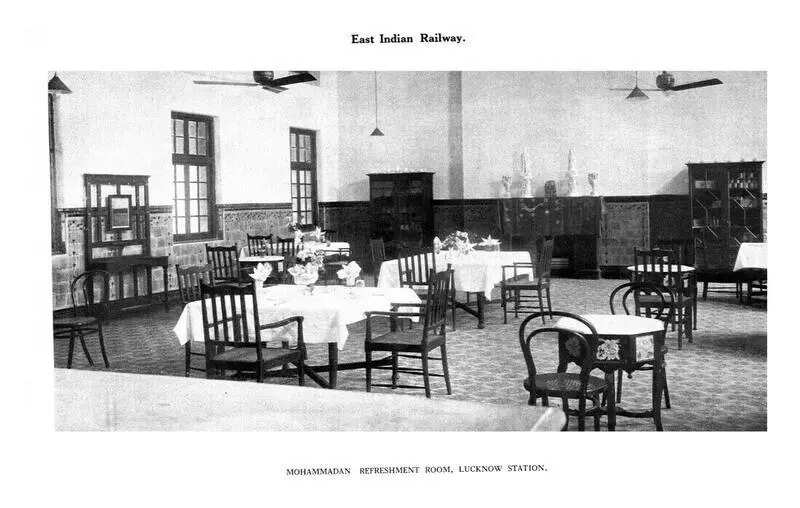
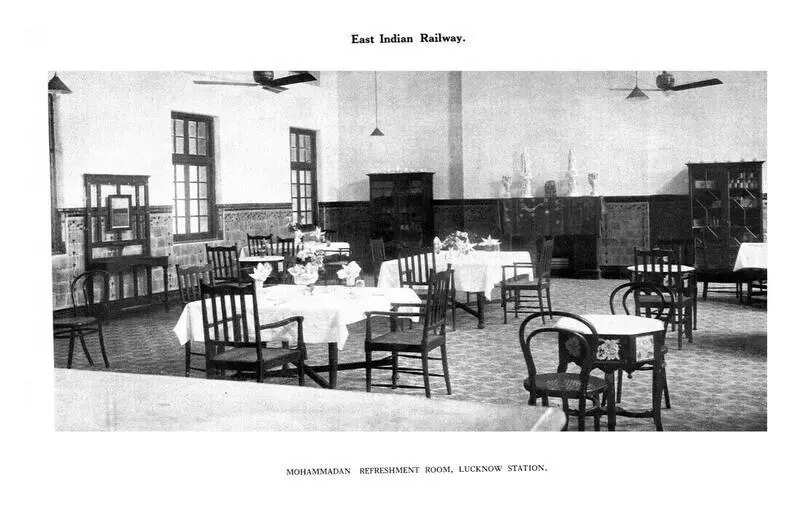
Charbagh’s cultural resonance is amplified through literature, though myths have occasionally clouded its history. “A popular notion describes the station’s layout as resembling a chessboard from above — a poetic but factually inaccurate image perpetuated. One must delve into finer aspects of Indo-Saracenic architecture, which gives the Charbagh railway station its grandiose look,” says former IRTS officer Arvind Kumar Srivastava, who spends most of his day debunking historical myths on social media.“Claims of racial segregation at the Charbagh station are also false. According to the 1926-27 edition of a report on Indian railways by the Railway Board, there were refreshment rooms for both Hindus and Muslims at Charbagh. An image captured in 1926 at Charbagh railway station is clear evidence. Author and poet Bhartendu Harishchandra’s travelogue from the 1880s praises Charbagh station’s upkeep and notes the predominance of Indian staff, with no mention of discriminatory practices. His vivid descriptions, laced with humour, capture the station’s vibrancy without hinting at apartheid-like treatment,” Srivastava adds.A report to the Secretary of State for India on Railways in India by Juland Danvers (1868-69) mentioned that at Charbagh railway station, out of 482 employees, 432 were natives and only 49 were ‘Europeans and East Indians’.In some departments like civil engineering, out of 72 staff members, only three were “Europeans and East Indians” and 69 were Indians. In the traffic department, out of 168 people, 158 were natives. At the time of the inception of railways, Europeans were deputed only at the level of officer and senior supervisor, and others were Indians.Pandit Ratan Nath Sarsar’s ‘Fasana-e-Azad’ (1878-1883) offers a lively portrait of Charbagh’s platform in the 1870s, bustling with water carriers and waiters serving English-style meals.“Sarsar’s protagonist, Azad, marvels at the station’s cleanliness and order, dining with delight on soda water and lemonade. Poet Mirza Hadi Ruswa’s works also reflect Charbagh railway station’s role in Lucknow’s social fabric, challenging myths and affirming Charbagh’s role as a democratic space,” says Srivastava, while citing facts about Charbagh that he has collected over the years.