Diaper stigma passe with SGPGI’s new robotic method for prostate cancer | Lucknow News
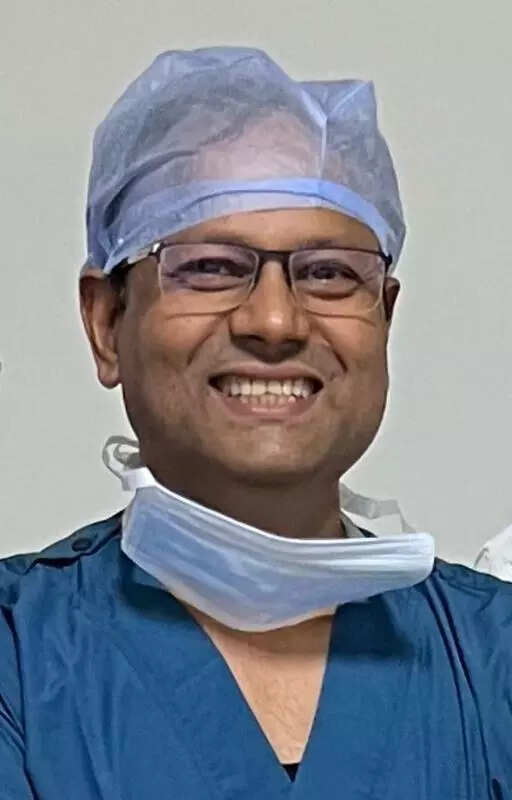
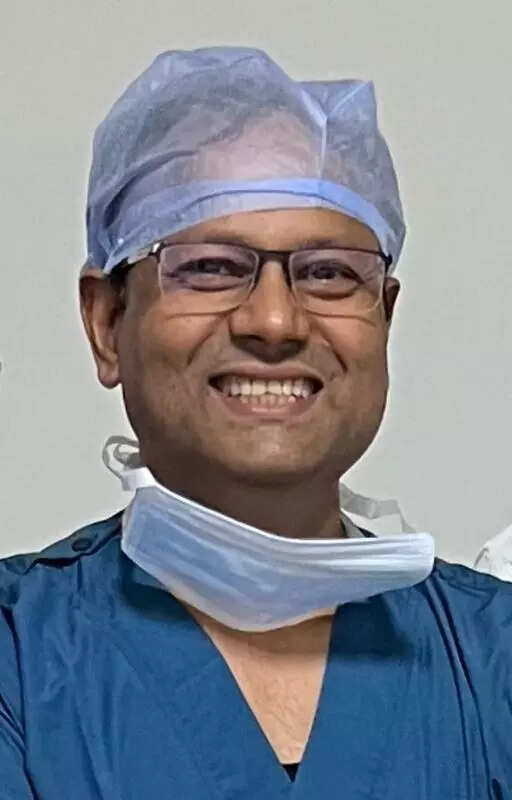
Lucknow: In patients with prostate cancer, surgery often comes with the stigma of urinary incontinence (leakage) and the risk of losing sexual function. But not anymore. Experts at SGPGI’s department of urology and renal transplantation have refined radical robotic prostatectomy (removal of the cancer-affected prostate) in a way that addresses both problems to a great extent.“We have been able to use the medical robot (Da Vinci) to develop a technique called ‘Retzius-sparing and Multiport Transvesical Robotic Radical Prostatectomy.’ Unlike the traditional method, this prevents damage to delicate structures responsible for urine control and sexual function,” said Dr Uday Pratap Singh, who pioneered these techniques in the region. Explaining the method, he said that instead of approaching and dissecting the prostate from multiple sides, surgeons use a single incision to remove it. This minimises damage to adjoining nerves and ligaments, helping patients regain urine control and sexual function within days. On how such precision was achieved, Dr Singh said, “That is the advantage of the medical robot. It allows us to pinpoint the incision site with 10 times better vision of the body and the flexibility of robotic arms. The robot also reduces blood loss, shortens hospital stays, and minimises side effects.” Asked about recovery, he said, “By global standards, restoration of urine control within four weeks of surgery is considered the best outcome. We achieved this in all 50 patients who underwent the procedure here.” Highlighting the significance, he noted that many survivors elsewhere are forced to wear adult diapers for six to 12 months after surgery. “These surgeries are designed not only to remove cancer effectively but also to help patients live a normal, dignified life after treatment,” he said. The department is also leading in the treatment of advanced and metastatic prostate cancer. “Our goal is not just to cure cancer but to improve quality of life, whether through advanced robotic surgeries or innovative therapies for advanced stages,” Dr Singh added.